Malaysian-Born Scientist Wins The 'Oscars of Science'
Haematologist Thein Swee Lay has become the first Malaysian-born scientist to win the Breakthrough Prize in Life Sciences, one of the world's most prestigious science honours.
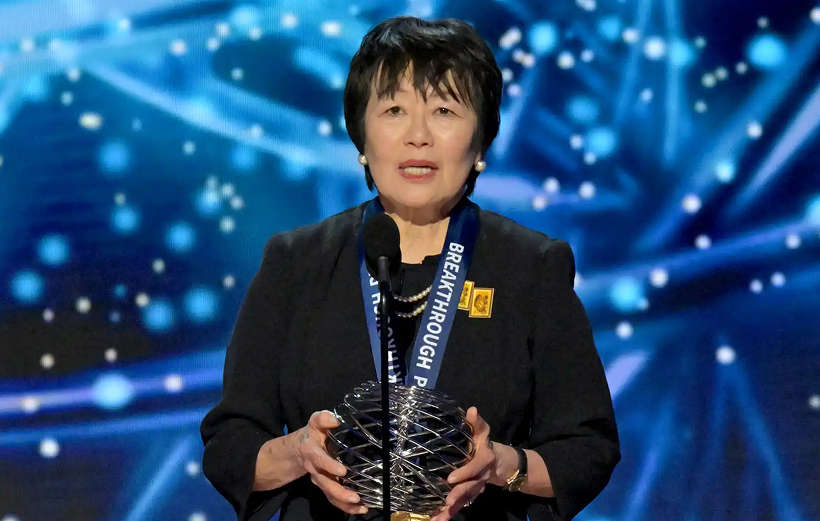
Haematologist Thein Swee Lay has made history as the first Malaysian-born scientist to receive the Breakthrough Prize in Life Sciences, an award often described as the 'Oscars of Science' for its prestige and multi-million-dollar prize money. Thein, who grew up in Kuala Lumpur in a large family of modest means, said she almost missed the call informing her of the win, initially assuming it was a nuisance caller before an email describing the matter as 'sensitive and urgent' prompted her to pick up. Her research focuses on blood disorders and required years of painstaking work before she found the evidence to support her theories.
Reflecting on her path into science at a time when opportunities for women in the field were limited, Thein said her achievements were built on determination rather than exceptional talent alone, and that her background did not define the limits of what she could accomplish. The award has been celebrated in Malaysia as a proud moment for the country's scientific community, and Thein has said she hopes her story encourages more young Malaysians, particularly girls from modest backgrounds, to pursue careers in research and medicine.
Key Details
- First Malaysian-born scientist to win the Breakthrough Prize in Life Sciences
- Research focus: blood disorders (haematology)
- Grew up in Kuala Lumpur in a large family of modest means
Her Story
- Almost missed the call informing her of the win, assuming it was a nuisance caller
- An email flagged as 'sensitive and urgent' prompted her to pick up
- Years of painstaking research were needed before she found supporting evidence for her theories
Her Message to Young Malaysians
- Says her achievements were built on determination rather than exceptional talent alone
- Hopes her story encourages more young Malaysians, especially girls from modest backgrounds, into science and medicine