Malaysian Durian Exports to China Surge More Than 340 Per Cent
Fresh durian shipments from Malaysia to China have jumped sharply since securing market access in 2024, with a new flagship store opening in Beijing.
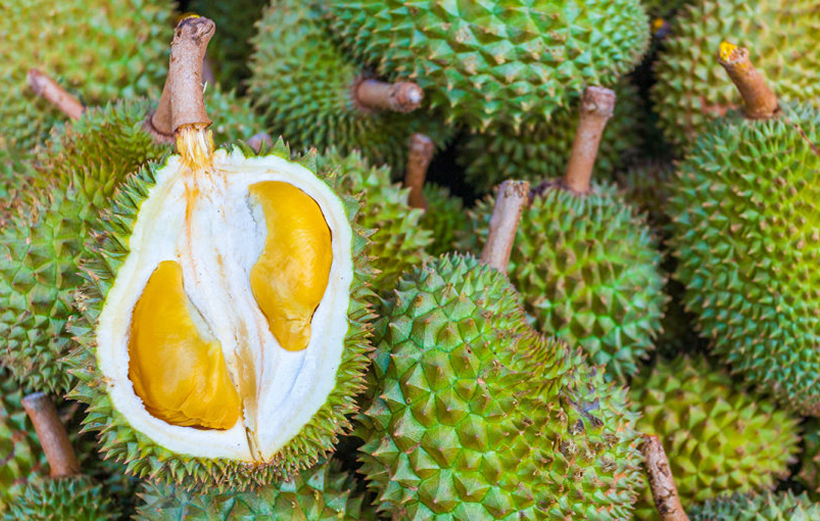
Malaysia's durian trade with China has grown dramatically since fresh durians were first allowed into the Chinese market in August 2024, with exports in the first half of 2026 up 342 per cent compared with the same period last year, according to Chinese customs data. Malaysia's trade representatives in Beijing say the country is deliberately positioning itself as a premium supplier, allowing fruit to ripen and fall naturally from the tree rather than be picked early, a practice they say sets Malaysian durian apart from other origins.
To capitalise on the growing appetite among Chinese consumers, Malaysian trade officials recently opened Durian Cube, a flagship retail store in Beijing selling exclusively Malaysian durians, describing the fruit as a form of 'durian diplomacy' that introduces shoppers to Malaysian culture and agriculture more broadly. Malaysia currently exports more than 30 of its over 100 known durian varieties to China and is targeting exports worth roughly RM932 million by 2030, up from about RM313 million in the first quarter of 2026 alone.
While Thailand remains the dominant durian supplier to China by volume, Malaysia's rapid growth as a newer entrant to the market has been highlighted as one of the standout agricultural trade stories of the year.
By the Numbers
- Fresh durian exports to China up 342% in the first half of 2026 versus the same period last year
- Q1 2026 export value alone was around RM313 million
- 2030 export target: roughly RM932 million
Malaysia's Strategy
- Fruit is left to ripen and fall naturally from the tree, rather than being picked early
- A flagship retail store, Durian Cube, opened in Beijing selling exclusively Malaysian durians
- Officials describe the push as a form of 'durian diplomacy'
- More than 30 of Malaysia's 100-plus known durian varieties are now exported to China
Competitive Landscape
- Thailand remains the dominant durian supplier to China by volume
- Fresh durian market access for Malaysia was only secured in August 2024