Malaysia's AI Data Centre Boom Is Driving Record Demand for Power and Water
As global tech firms race to build AI infrastructure in Malaysia, officials are grappling with how to manage the surging electricity and water demands of new data centres.
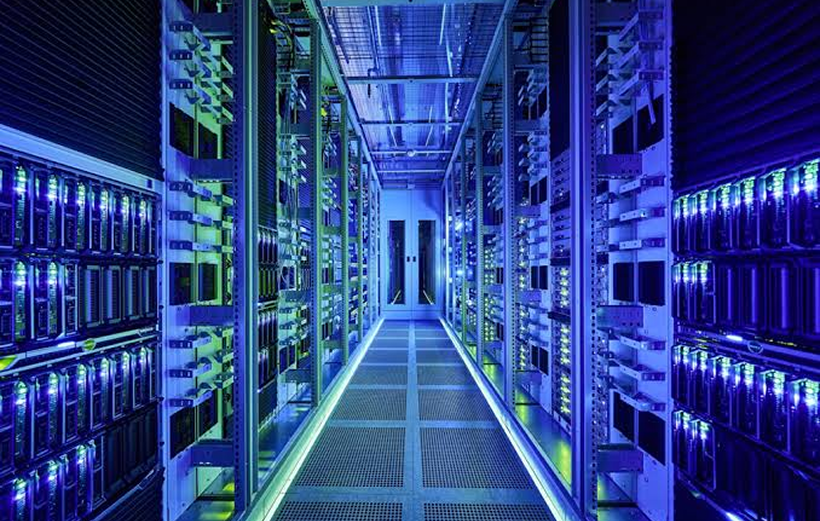
Malaysia has become one of the fastest-growing destinations in the world for data centre construction, as global technology firms race to build artificial intelligence infrastructure close to major Asian markets. Over the past two years, companies including Microsoft, Google, Amazon Web Services and Nvidia's partners have announced billions of dollars in investment in Malaysian data centres, particularly in Johor, just across the border from Singapore. But the boom has come with real challenges: a single 100-megawatt data centre can consume around 4.2 million litres of water a day for cooling, and the surge in electricity demand has raised questions about whether the national grid can keep pace.
In response, Malaysia introduced restrictions in early 2026 on new non-AI data centre investments, aiming to prioritise projects with the clearest strategic and economic benefits. The government has also committed billions of ringgit toward a sovereign AI cloud, intended to give Malaysia greater control over how AI systems are trained and deployed on its own soil, rather than relying solely on infrastructure owned by foreign corporations. Officials say striking the right balance between attracting investment and protecting resources will be one of the defining economic challenges of the next few years.
By the Numbers
- A single 100-megawatt data centre can consume around 4.2 million litres of water a day for cooling
- Billions of dollars in investment have been announced over the past two years by firms including Microsoft, Google, Amazon Web Services and Nvidia's partners
Policy Response
- Malaysia introduced restrictions in early 2026 on new non-AI data centre investments
- Billions of ringgit have been committed toward building a sovereign AI cloud
The Balancing Act
- Officials are weighing the economic benefits of investment against strain on the power grid and water resources